
Solar power: can it truly lower your electricity costs?
Solar power has become a popular subject for those aiming to lower their regular household expenses.
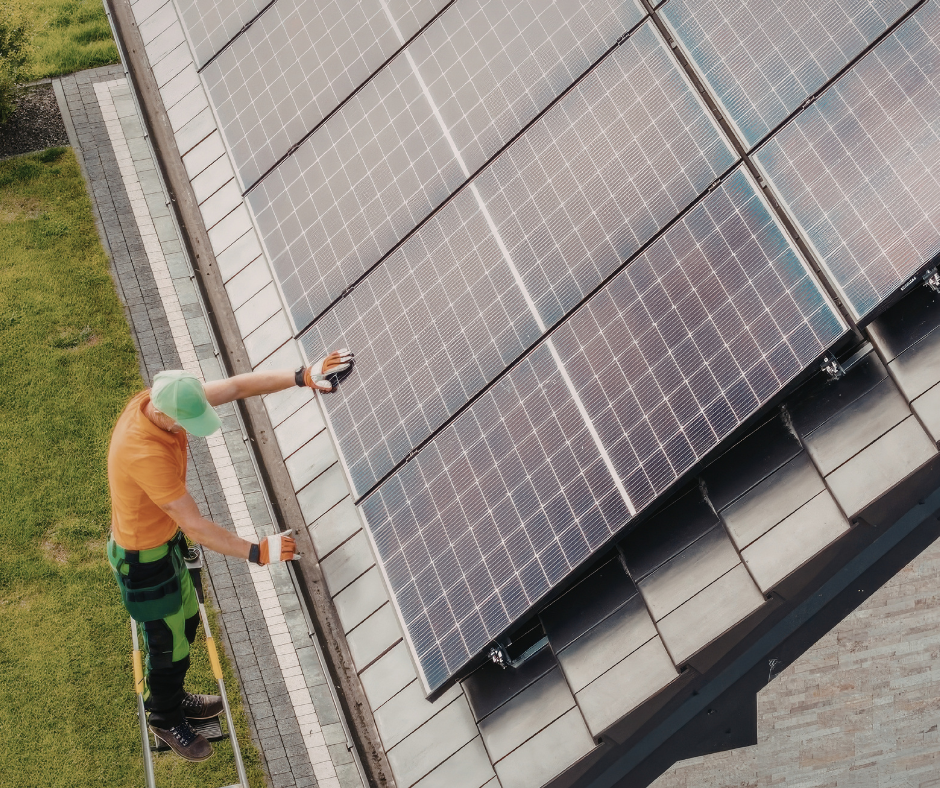
Electricity bills often strain monthly finances—especially for people already struggling—which makes solar energy seem like a promising way to cut costs.
That said, before deciding on this investment, it’s crucial to grasp how solar energy functions day to day and what true financial benefits it offers.
How does solar energy work in everyday life?
Solar power originates from panels typically placed on a home’s roof. These panels absorb sunlight and transform it into electricity, reducing your dependence on the electrical grid and potentially lowering your energy bills.
In reality, solar systems don’t completely wipe out your electricity bill. This is because fixed fees and minimum charges still apply. That said, depending on your energy usage and the setup you have, you could see a notable decrease in expenses over time.
Additionally, how well the system performs is influenced by your location, the amount of sunlight it receives, and how well it’s maintained. In short, solar energy isn’t a quick fix but rather an option that demands thoughtful consideration.
Financial education
How to negotiate a lower APR
on your credit card?
LEARN MORE * You will remain on the current websiteInitial investment: the biggest hurdle
Here’s the part that often makes people hesitate: the upfront expense.
Setting up solar panels demands a significant upfront cost. Even if financing is an option, this choice requires careful consideration, especially for those already facing debt or credit challenges.
Conversely, some view this as a long-term commitment: investing more now to lower ongoing costs later. Still, it’s crucial to determine if this plan aligns with your present financial situation.
Real savings: what should you keep in mind?
A lot of people expect to see instant savings when they switch to solar energy. However, it’s important to have realistic expectations.
Lowering your electricity bill is possible, but financial benefits usually take time to materialize. This delay occurs because the initial cost must be recovered first. How long that takes depends on factors like:
- Energy consumption in your home
- Electricity costs prior to installation
- Available financing terms, if any
- Variations in electricity rates
Unexpected expenses like repairs or replacing equipment can come up over time. That’s why it’s important to carefully calculate costs and, if possible, test different scenarios beforehand.

Financial education
How to spot predatory lending practices?
7 warning signs
LEARN MORE * You will remain on the current websiteMaking smart savings starts with informed decisions
Solar power can lower your electricity expenses—but the outcome varies depending on multiple factors, especially your financial situation.
Instead of looking for quick solutions, the most reliable approach is to make well-informed choices. Savings that seem promising in theory don’t always translate into real benefits, especially when budgets are tight.
Before committing to any investment, carefully evaluate your current finances. Changing daily habits, cutting waste, and managing your budget effectively remain key steps—and often easier options—for those wanting to reduce financial strain each month.