Credit Score vs. Credit Report: Key Insights You Should Understand Before Applying
The phrases credit score vs credit report are frequently confused, but they actually represent two distinct concepts.
When you’re considering applying for a credit card, one of the first pieces of advice you’ll hear is “Check your credit!” But what does that really mean? Understanding this now can help you make better choices when it comes to applying for credit.
Understanding the difference between a credit score and a credit report
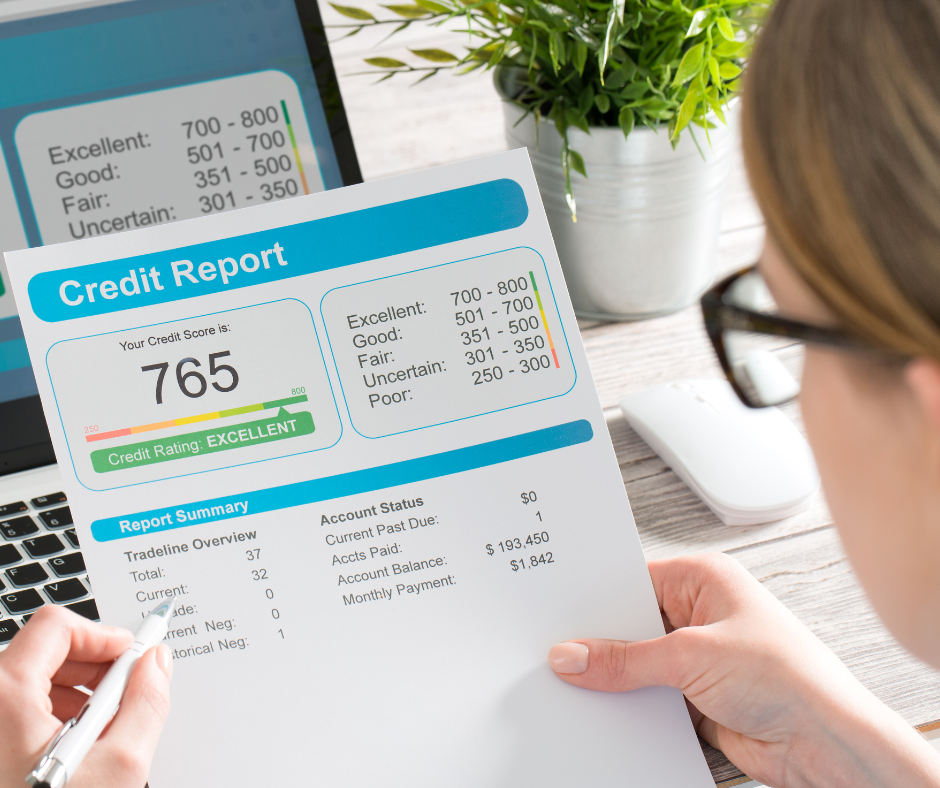
Your credit report is a comprehensive summary of your credit activity. It lists the accounts you’ve opened, your outstanding balances, payment history, and even hard inquiries when lenders have reviewed your credit. Think of it like a school transcript—it details your entire academic record, not just your final GPA.
Conversely, your credit score is a three-digit figure calculated from the data in your credit report. It ranges from 300 to 850 and serves as a quick snapshot of your credit reliability. Lenders rely on this number to swiftly evaluate the risk of lending to you.
Put simply, the credit report tells the complete story, while the credit score sums it up in a single number.
Why understanding this matters before you apply for a credit card
When applying for a credit card, it’s crucial to know how these two differ and why both matter.
Many applicants feel frustrated after being declined despite believing they have good credit. Often, the reason is a hidden factor in the credit report, such as a late payment or high credit usage, quietly lowering their score.

Credit card
How do credit cards work?
See our beginner’s guide to fees, APR, and rewards.
LEARN MORE * You will remain on the current websiteCredit card issuers review both your credit score and report when considering applications. While the score offers a quick snapshot, they examine the report for deeper insight.
For instance, two individuals might share the same credit score but have very different credit backgrounds. One could have consistently low balances, while the other may have recent missed payments. That background can be key to approval decisions.
How to check and keep track of both
You have the right to request one free credit report annually from each of the three main credit bureaus: Equifax, Experian, and TransUnion. Websites like AnnualCreditReport.com make accessing these reports simple.
Keep in mind, your credit score might not be included in those reports. Many banks, credit card companies, and financial apps provide free access to your score. Just be sure to check which scoring model you’re seeing (FICO or VantageScore), since lenders may rely on different versions.
Keeping a close eye on your credit regularly helps you spot mistakes, measure your improvements, and prevent unexpected issues when applying for credit.

Credit card
Credit card benefits you’re probably not using
…but should!
LEARN MORE * You will remain on the current websiteKey steps to take before applying
Before you fill out any credit card application:
- Review your credit report for accuracy.
- Know your current credit score.
- Pay down high balances if possible.
- Avoid applying for multiple cards in a short time, this can lower your score due to hard inquiries.
Having a clear understanding of your complete credit profile lets you apply more wisely and reduces the chance of being turned down.
Credit Score vs credit report: why knowing this key difference can save you time and hassle
Understanding the difference between your credit score and credit report might seem minor, but it’s a crucial part of managing your finances. This knowledge helps you identify warning signs, take effective steps to improve, and prevents the confusion that comes from not knowing why your credit card application was rejected.
Take a moment before hitting “apply” to review both your credit report and score—your future self will appreciate it.