Emergency Funds Explained: How Much to Set Aside and the Best Places to Store It
Grasping the basics of emergency funds 101 is an essential first move toward achieving financial security.
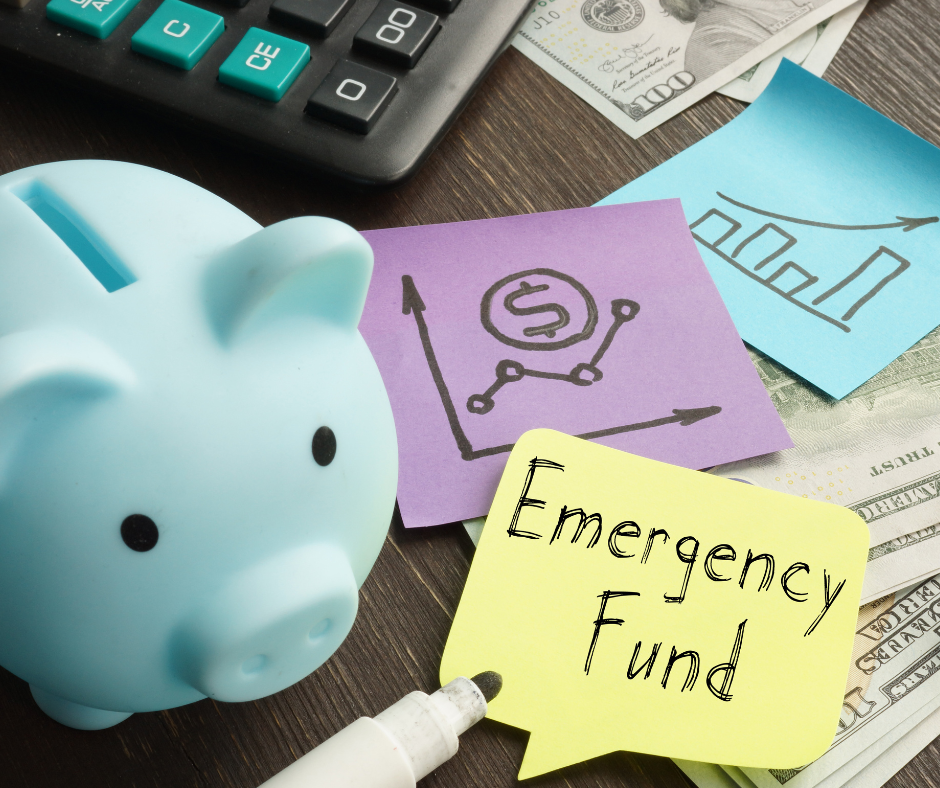
Life often throws unexpected challenges our way, and not always positive ones. From sudden car breakdowns to losing a job, emergencies tend to arise when we’re least prepared.
If you’ve ever wondered how much money should I set aside for emergencies? or what’s the best place to keep those savings?, you’re definitely not alone. Many haven’t been taught these fundamental concepts. But don’t worry—we’ll explain everything in simple, straightforward terms.
The real importance of having an emergency fund
An emergency fund acts as a financial buffer for unexpected, urgent costs. This might include medical expenses, crucial home fixes, or a sudden loss of income. Without this safety net, people often rely on credit cards or loans, which can quickly spiral into debt problems.
When money is tight and you’re living paycheck to paycheck, saving can seem impossible. But even saving a little bit can add up over time. The aim isn’t to be perfect, but to be prepared. Having a few hundred dollars set aside can ease the pressure when emergencies hit.
How much should you put aside?
There’s no one-size-fits-all answer, but financial experts often suggest saving enough to cover three to six months of basic living costs. That means rent or mortgage, utilities, food, insurance, and minimum payments on debts.
If that target feels too big right now, begin with a smaller goal. Saving $500 to $1,000 as a starting point can handle minor emergencies and prevent you from turning to costly credit options.
Consider these questions:
- Which bills must I pay every month?
- How stable is my current income?
- Are there dependents or health concerns that may raise emergency costs?
Your responses will guide you in setting a savings goal that fits your needs.
Financial education
How to build credit from scratch
A beginner’s step-by-step guide
LEARN MORE * You will remain on the current websiteBest places to store your emergency savings
Your emergency savings should be quickly accessible, but not so handy that you’re tempted to spend it on everyday expenses.
Consider these three solid choices:
- High-yield savings accounts: provide higher interest than regular savings accounts and remain easy to access.
- Money market accounts: usually include debit cards or checks but may limit how often you can withdraw.
- Cash management accounts: offered by investment firms, these blend features of checking and savings accounts.
Don’t lock your emergency savings into stocks or mutual funds. Market dips can occur exactly when you need cash, undermining the purpose of having a ready emergency reserve.
Ways to steadily grow your emergency fund
- Automate savings: arrange a small transfer each payday to your emergency fund.
- Use windfalls: put bonuses, tax refunds, or gifts toward your emergency savings.
- Track spending: understanding your expenses helps identify where to cut back temporarily.
Even small contributions add up over time when you stay consistent. Aim for steady progress rather than perfection.
Building a dependable safety net
Understanding emergency funds isn’t just for money experts; it’s essential for anyone seeking stability during unpredictable times. Though it takes patience to build, the comfort an emergency fund provides makes it worthwhile.
Begin where you stand, work with what you have, and aim to increase gradually. Remember, the smartest time to prepare for a crisis is before it arrives.