
Debt Consolidation Loans: Understanding Their Benefits and Drawbacks
If you find yourself drowning in credit card debt, medical expenses, or various personal loans, debt consolidation loans might seem like an ideal fix.
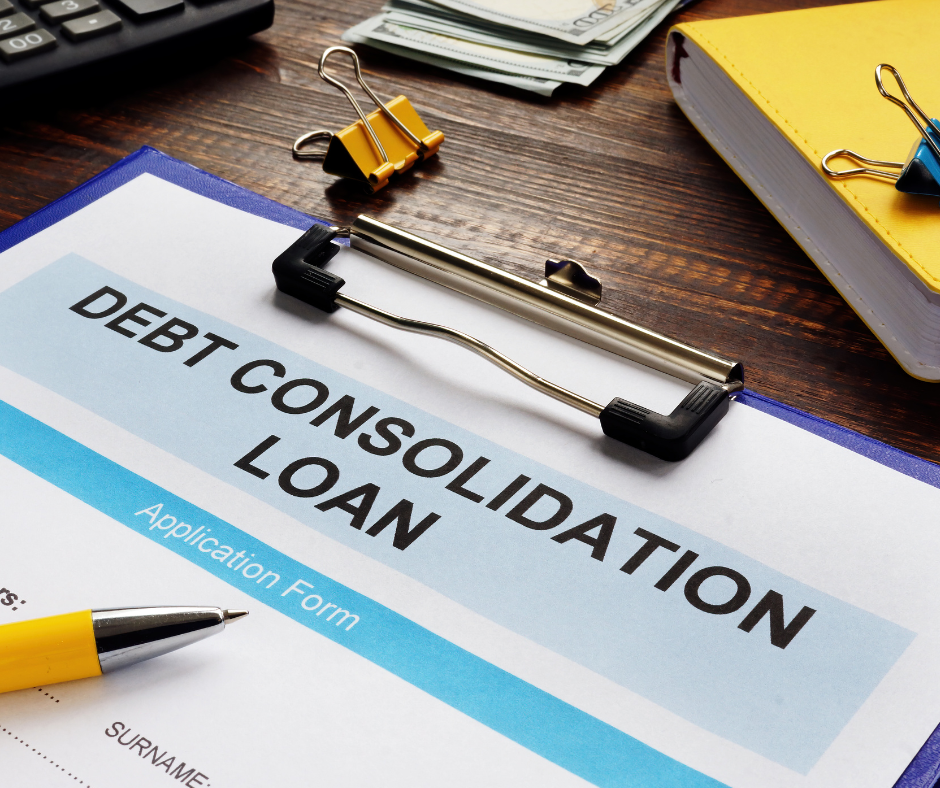
Swapping multiple payments for a single one can feel like progress. However, just like any financial tool, the benefit of a debt consolidation loan depends on how, when, and why you apply it.
Let’s explore what these loans provide and the situations where they might not be the best choice.
When debt consolidation loans can actually help
The biggest perk is simplicity. Handling a single monthly payment instead of several not only eases your workload but also lowers the risk of forgetting a due date.
These loans can also come with the benefit of a lower interest rate, especially if your credit score has improved or if your existing debts carry high rates. A reduced rate means a larger portion of your payment goes toward reducing the principal, not just paying interest.
Another benefit is consistency. Most consolidation loans have fixed interest rates and set terms, so your monthly payment stays the same. This helps you know exactly how much you owe each month and when your debt will be fully paid off.
Lastly, instead of feeling stuck in a cycle, you gain a clear, manageable plan that guides you toward becoming debt-free.

Loans
How do personal loans work?
Discover our complete beginner’s guide!
LEARN MORE * You will remain on the current websiteBut watch out, there are drawbacks as well
Sadly, debt consolidation loans can sometimes create additional issues if they aren’t handled carefully.
A major concern is that the repayment period might be lengthened. To lower your monthly bills, lenders often spread the loan out over many years. While this can feel like a relief at first, it may cause you to pay more interest overall, even with a lower rate.
Another challenge is the temptation to fall back into debt. After paying off your credit cards, it’s easy to start charging again. Without a solid plan or new spending habits, you might end up doubling your debt rather than eliminating it.
Moreover, not every loan is beneficial. Some include extra charges such as origination fees, penalties for early payoff, or optional insurance that can increase the total cost. Be sure to carefully review all terms before agreeing to anything.
While many see consolidation as a quick fix, not everyone will get favorable rates. If your credit score is low or your debt-to-income ratio is high, you might only qualify for loans with steep interest rates that offer little relief or could worsen your situation.
Loans
Secured vs Unsecured Loans
Which one should you choose?
LEARN MORE * You will remain on the current websiteIs this part of a plan?
Before you jump into debt consolidation, pause and consider your current situation. Are you aiming to simplify payments because you have a clear plan to eliminate your debt? Or are you feeling overwhelmed and just looking for immediate relief?
Remember, debt consolidation is a tool—not a cure-all. It won’t reduce your debt or fix the spending habits that led to it. If you’re uncertain about whether it’s the best move, consulting a certified credit counselor or financial expert can offer valuable, unbiased advice.
Simplicity isn’t always a solution
Debt consolidation loans can help bring clarity to financial disorder. When used wisely, they make it easier to stay on top of payments, ease anxiety, and steadily reduce what you owe on a manageable timeline.
Ultimately, the aim isn’t just to make payments simpler. It’s about breaking old habits, and that begins with honest self-assessment—not simply taking out another loan.